Sale
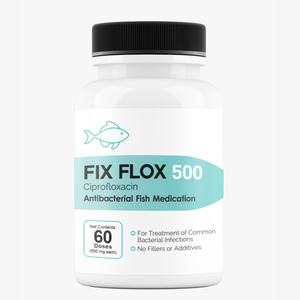
Fish Flox 500 mg 60 Capsules
$79.99 - $98.95


Fish Doxy 100 mg Capsules contain Doxycycline Hyclate 100 mg, a broad-spectrum tetracycline antibiotic formulated for the treatment of bacterial infections in ornamental and aquarium fish. Effective against both gram-positive and gram-negative bacteria, Fish Doxy is commonly used in freshwater and saltwater systems to manage serious bacterial conditions that threaten fish health.
Doxycycline works by inhibiting bacterial protein synthesis, preventing bacteria from multiplying and allowing infected fish to recover. Its wide antibacterial spectrum makes it a trusted option for aquarists managing infections such as fin rot, tail rot, columnaris disease, and septicemia.
Important: For aquarium use only. Not for human consumption. Not for fish intended for human consumption.
Fish Doxy may be considered when fish display signs consistent with bacterial infection, including:
Always confirm water quality stability and rule out parasitic or fungal causes before beginning antibiotic treatment.
Dosage: Consult an aquatic veterinarian for precise dosing based on tank volume, species, and infection severity.
General Reference: Some aquarists use approximately one capsule per 10 gallons of water for 5–10 days, depending on severity.
Fish Doxy 100 mg (Doxycycline Hyclate) is used to treat bacterial infections in aquarium fish, including fin rot, columnaris, septicemia, and ulcerative conditions.
Yes, doxycycline is commonly used to manage columnaris infections caused by gram-negative bacteria in freshwater aquariums.
Yes, Fish Doxy 100 mg is suitable for both freshwater and marine aquarium systems when used properly.
Like most antibiotics, doxycycline may impact beneficial bacteria. Using a hospital tank is recommended to protect biological filtration.
No. Fish Doxy is formulated for bacterial infections and is not effective against fungal or parasitic diseases.
Treatment duration typically ranges from 5–10 days depending on infection severity. Always monitor fish closely during the course.
Combining antibiotics should only be done under veterinary supervision to prevent interactions.
Dispose of treated water responsibly and avoid releasing antibiotic-containing water into natural ecosystems.