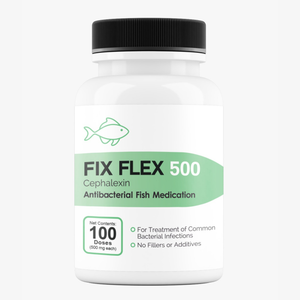
Fish Antibiotics
Fish Antibiotics for Aquarium Bacterial Infections
Fish antibiotics are specialized medications formulated for ornamental and aquarium fish to help manage bacterial infections affecting fins, skin, gills, and internal systems. Bacterial outbreaks in aquariums can progress quickly if left untreated, making early identification and appropriate treatment essential for maintaining fish health.
This collection includes a range of commonly used fish antibiotics in capsule and tablet form, designed for use in established aquarium systems and quarantine tanks.
Common Bacterial Infections in Aquarium Fish
- Fin and tail rot
- Columnaris (cotton wool disease)
- Septicemia (systemic infection)
- Gill disease
- Ulcers and open sores
- Mouth rot
- Red streaking in fins
- Internal bacterial infections
Types of Fish Antibiotics Available
Different antibiotics target different types of bacteria. Choosing the appropriate medication depends on symptoms, tank conditions, and proper diagnosis.
- Amoxicillin – Broad-spectrum coverage for general bacterial infections.
- Cephalexin – Commonly used for gram-positive bacterial conditions.
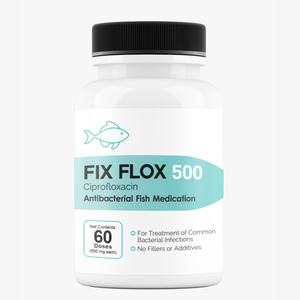
- Ciprofloxacin – Often selected for gram-negative infections and columnaris.
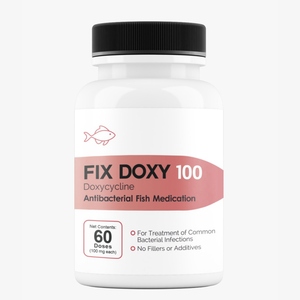
- Doxycycline – Broad-spectrum tetracycline-class antibiotic.
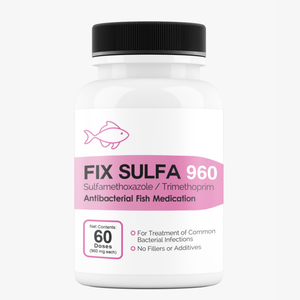
- Sulfamethoxazole & Trimethoprim – Dual-action antibacterial combination.
- Penicillin – Primarily targets gram-positive bacteria.
- Clindamycin – Used for gram-positive and certain anaerobic infections.
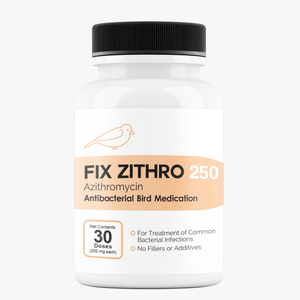
- Azithromycin – Macrolide antibiotic with extended tissue activity.
- Metronidazole – Targets protozoan and anaerobic bacterial infections.
- Fluconazole – Antifungal treatment for fungal-related conditions.
Before Using Fish Antibiotics
Not all fish illnesses are bacterial. Symptoms such as lethargy, discoloration, or fin damage may also result from poor water quality, parasites, fungal infections, or stress.
Before beginning treatment:
- Test ammonia, nitrite, and nitrate levels
- Verify stable temperature and pH
- Improve aeration if necessary
- Consider isolating affected fish in a hospital tank
- Remove activated carbon during treatment
Responsible use of fish antibiotics helps maintain aquarium stability while supporting recovery from bacterial infection.
Frequently Asked Questions
What are fish antibiotics used for?
Fish antibiotics are used to help manage bacterial infections in aquarium fish, including fin rot, columnaris, septicemia, ulcers, and gill disease.
Do fish antibiotics harm beneficial bacteria?
Antibiotics may impact biological filtration. Monitoring ammonia and nitrite levels during and after treatment is recommended.
How do I know if my fish needs antibiotics?
Signs such as red streaks, ulcers, fin deterioration, swelling, or abnormal behavior may indicate bacterial infection, but water testing and proper diagnosis are essential before treatment.
Should I treat the entire tank?
Many aquarists prefer using a quarantine or hospital tank to reduce impact on the main aquarium ecosystem.
Important: All products in this collection are intended for aquarium use only. Not for human consumption. Not for fish intended for human consumption.